Reading a massage chair warranty like it matters
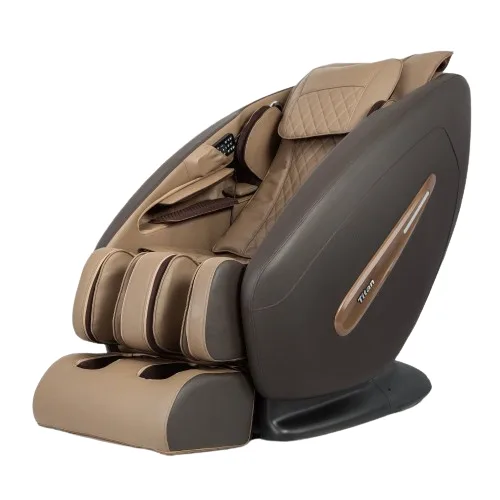
A massage chair warranty gets sold as one number, and the number hides three separate promises. “Three years” can mean three years of parts, one year of labor, and zero years of anyone driving to your house. Because a massage chair is a 200 to 300 pound appliance full of motors, rails, and air pumps, the gaps between those promises are measured in real money, which is why the split deserves a read before checkout rather than after the first grinding noise.
Parts, labor, and in-home are three different products
Parts coverage means the company ships you a replacement motor or control board. Someone still has to open the chair and install it, and that someone is you or a technician you pay. Labor coverage pays for the technician’s time, though many brands satisfy it by having you ship the chair to a depot, and freight on a crate that heavy can approach the value of a budget chair. In-home coverage, the rarest of the three, sends a tech to your living room. When a listing shows a single number, assume it describes parts until the fine print proves otherwise.
What each price band actually pays for
Coverage depth tracks price more honestly than roller counts do. The pattern across the market looks like this:
| Price band | Parts | Labor | In-home service |
|---|---|---|---|
| Under $1,500 | 1 to 2 years limited | 90 days to 1 year | Rare |
| $1,500 to $3,500 | 2 to 3 years | About 1 year | Uncommon |
| $3,500 to $8,000 | 3 years | 1 to 3 years | Sometimes |
| $8,000 and up | 5 year structures | 1 year in-home typical | Standard |
Luraco is the outlier at the top with a 5/3/10 structure no mainstream rival matches, though reading its actual document shows how much sits in the qualifiers: the ten years on leather covers tearing rather than wear, and the three years of in-home labor stop at the borders of Alaska, Hawaii and Puerto Rico. At the bottom of the market the opposite trick appears: in the budget tier, one year is the honest standard, and the 3-year claims you see there usually turn out to be parts-only terms or plain marketing. Check every claim per listing.
Two live examples from chairs we review
The Kahuna LM-6800 line shows how a headline can shrink while coverage arguably improves. Legacy LM-6800 chairs sold with a 3-year limited warranty, but the structure gave you one year of parts and labor with thinner parts-only coverage after that. The current LM-6800T lists two years of full parts and labor. Three became two on paper, yet a second complete year of labor can beat two hollow years, depending on what fails and when. Read the structure, never the number.
Real Relax runs one year across its line, including the PS6500, a chair carrying a touchscreen, voice control, an app, 28 air cells, and foot rollers. More features mean more failure points, so the busiest spec sheet in its bracket comes with the shortest backup. That trade is the real price of the feature count, whatever the checkout page says.
The fine print that does the damage
Exclusions cut deeper than short terms. Commercial use voids most consumer warranties, so a chair in a break room or salon office often has no coverage at all. Weight caps matter too, since exceeding one strains the frame and track and can void the contract along with the hardware. Usage caps exist as well; we found a 1,000-hour clause at a dealer selling the Panasonic MAK1, which a daily multi-hour habit could burn through faster than you would guess.
Process is the last trap. Ask how a roller or motor repair actually unfolds, because some brands require shipping the whole chair. Returns carry their own sting, typically a restocking fee plus return freight on a 300 pound crate, so the warranty question and the return question deserve equal attention before the purchase.
Questions to ask before the card gets charged
Put these to the dealer in writing and keep the answers:
- How many years of parts, and how many of labor? Two years parts with one year labor is a reasonable floor above the budget tier.
- Does labor mean in-home service, or do I ship the chair somewhere? Who pays freight in each direction?
- What voids coverage? Ask specifically about commercial use and the weight cap.
- Is there an hour cap on usage anywhere in the terms?
- How does a roller or motor repair actually work, and does the brand run a service network near me?
- If I return the chair, what restocking fee and return freight am I agreeing to?
A warranty is the manufacturer pricing its own confidence in the machine. When the feature list is long and the coverage is short, believe the coverage.
Questions, answered once
What is the minimum massage chair warranty worth accepting?
Above the budget tier, two years of parts and one year of labor is a fair floor. Under roughly $1,500, one year is the honest market standard, so plan around shorter coverage at that level.
What does in-home massage chair service actually mean?
A technician comes to your house to diagnose and repair the chair. Without it, labor coverage often means shipping a 300 pound crate to a depot, with freight costs that can rival a budget chair's value.
Can heavy use void a massage chair warranty?
It can. Commercial use voids most consumer terms, and usage caps exist, including a 1,000-hour clause we found at one Panasonic dealer. Read the exclusions before planning daily multi-hour sessions.
Why do some cheap chairs advertise 3-year warranties?
In the budget tier those claims usually cover parts only, or amount to marketing. One year of real coverage is the standard there, so verify the parts and labor split on the specific listing.