Sauna care by material, from cedar benches to blankets
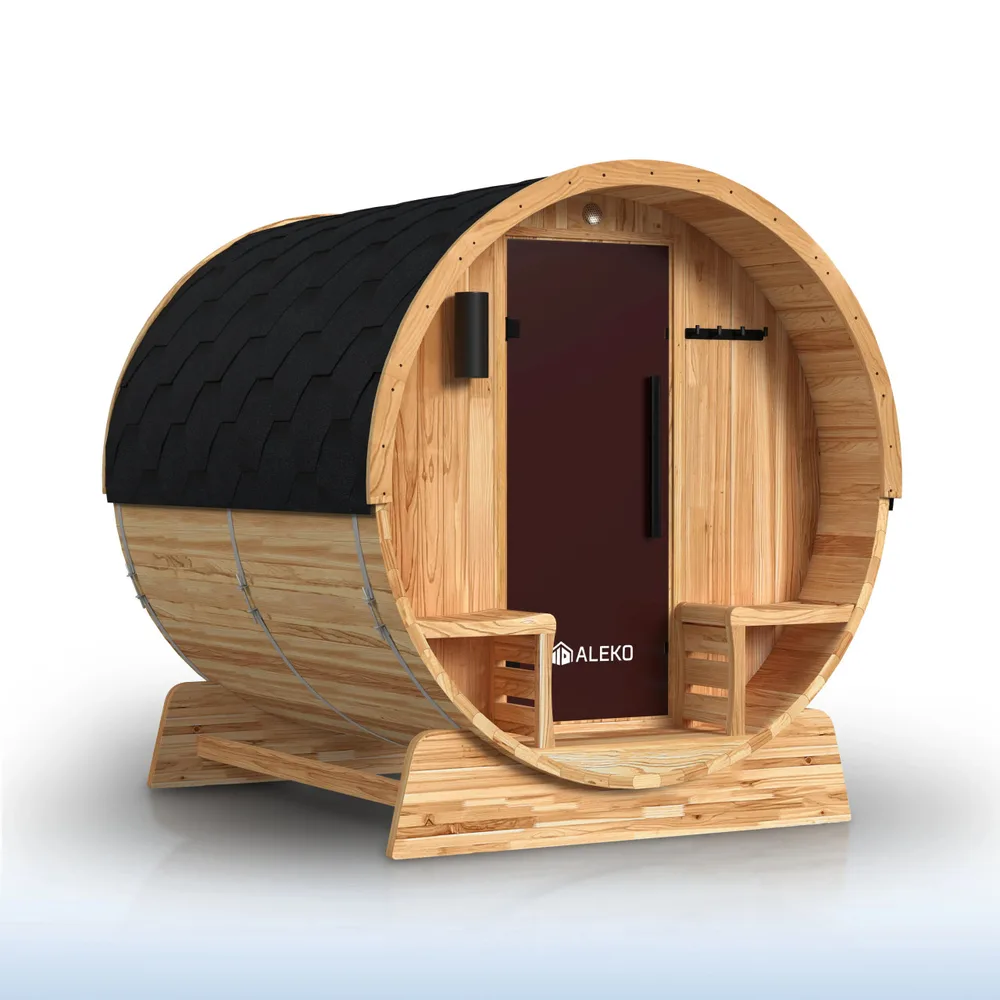
A home sauna is one of the lower-maintenance comfort purchases you can make, but “low” is doing some work in that sentence, and the right care depends entirely on what the thing is made of. An untreated cedar cabin, a stone heater, a fabric tent, and a polyurethane blanket are four different materials with four different failure modes. Mix up the care routines, say by taking bleach to cedar or ignoring a sweaty tent interior, and you will shorten the life of gear that ranges from a couple hundred dollars to well into four figures. The good news is that every one of these routines takes minutes, costs almost nothing, and relies on supplies you already own.
Wood cabins and barrels: towels do most of the work
The single best habit for any wood sauna is also the cheapest. Sit on a large absorbent towel that fully covers the bench, every session, no exceptions. Sweat soaking into untreated wood is where nearly all bench stains come from, and a towel stops the problem before it starts. Put another under your feet if you tend to drip.
When the wood does need cleaning, skip bleach and harsh chemicals entirely. They are wrong for untreated cedar and hemlock and can leave the wood greyed. The standard answer is diluted white vinegar, roughly one part vinegar to four parts water, wiped on and off. It cleans cedar safely without discoloring it, and it costs pennies.
For the stubborn stuff, stains that shrug off the vinegar wipe, go mechanical instead of chemical. Light sanding with 120-grit sandpaper, always along the grain, lifts persistent bench stains and leaves fresh wood behind. A quarter sheet of sandpaper and ten minutes will erase most of a year of use. This is the whole appeal of untreated sauna wood; the cleaning system is a towel, watered-down vinegar, and occasional sanding.
Stone heaters: the one true consumable
If your sauna has a traditional electric stone heater, a Harvia or similar, the stones themselves wear out. Heating and cooling cycles crack them over time, and cracked stones are done working. Replacement guidance runs from every one to two years under heavy use to every three to five years with regular use.
The test is satisfyingly simple. Pick up a cool stone and squeeze it. A stone that crumbles in your hand is finished. While you are in there, restack the survivors loosely so air moves between them. Kits with quality heaters typically start you off well; ALEKO ships 35 pounds of stones with its Harvia-equipped barrel saunas, so your first set is covered and you know exactly what weight to reorder.
Fabric tent saunas: wipe them or smell them
Portable tent-style saunas in the couple-hundred-dollar range ask the least of your wallet and the most of your discipline. The interior fabric catches sweat and steam every session, and Reviewed.com’s long-term testing of the popular SereneLife portable found that the interior develops an odor without regular wipe-downs using damp towels.
So the routine is a damp towel over the interior surfaces after use, treated as part of the session rather than an occasional deep clean. It takes two minutes. Skip it for a few weeks and you will be reminded why it exists every time you zip yourself in.
Sauna blankets: the easiest of the bunch
Blanket-style units with waterproof polyurethane interiors, like the HigherDOSE, are the simplest gear here to keep clean. The interior wipes down with wet wipes or a damp cloth after each session, and that is the entire job. No sanding, no stones, no vinegar solution. The waterproof lining is doing what the towel does in a wood cabin, so a quick wipe keeps the surface fresh between uses.
A schedule you will actually follow
Here is the whole article as a checklist you can tape to the wall.
| Sauna type | Every session | Periodically |
|---|---|---|
| Wood cabin or barrel | Towels on benches and underfoot | Vinegar-water wipe (1:4); 120-grit sanding for set-in stains |
| Stone heater | Nothing | Squeeze-test stones; replace every 1-2 years heavy use, 3-5 regular |
| Fabric tent | Damp-towel wipe of interior | Check for odor as your early warning |
| Polyurethane blanket | Wet-wipe or damp-cloth interior | Nothing else required |
None of this is complicated, and that is the point. The buyers who regret their sauna are rarely the ones who got a bad unit. More often they let sweat sit in fabric, let stains set into bare benches, or ran a heater on crumbling stones until performance faded. Ten minutes a week keeps cedar looking like cedar and keeps a tent from becoming something you dread unzipping. Whatever you own, the pattern is the same: intercept sweat before it soaks in, use the gentlest cleaner that works, and replace the one consumable part on schedule.
Questions, answered once
Can I use bleach to clean sauna wood?
No. Bleach and harsh chemicals are wrong for untreated cedar and hemlock and can grey the wood. Use about one part white vinegar to four parts water instead.
How do I know when sauna stones need replacing?
Squeeze a cool stone; one that crumbles in your hand is done. Expect replacement every one to two years under heavy use, or every three to five with regular use.
Why does my portable tent sauna smell?
Sweat and steam settle into the fabric interior. Long-term testing of the SereneLife found odor develops without regular damp-towel wipe-downs, so wipe it after every session.
How do I clean an infrared sauna blanket?
Blankets with waterproof polyurethane interiors, like the HigherDOSE, wipe clean with wet wipes or a damp cloth after each session. No other regular upkeep is needed.